
22-Seat Minibus for Glasgow Clubs and Away Days
A full matchday squad with subs, coaches and a couple of loyal supporters, plus the kit, in one vehicle. The 22-seater is the size club secretaries book when a minibus is nearly full and a coach is too much.
Loading the quote form…
Who books the 22-seater
Three typical bookings, and why this size suited each one.
Amateur football away day
Sixteen players, four subs and two coaches from Rutherglen to a cup tie in Ayrshire, with a kit bag each and the strip hamper.
We'd suggest: The 22-seater, leaving early enough for a proper warm-up.
Bowling club outing
Twenty members of a club in Uddingston on a summer trip to play a friendly at another green, then dinner.
We'd suggest: The 22-seater, with bowls bags in the rear space.
Junior rugby tournament
Eighteen players and four adults from a club near Bearsden for a festival day of short games.
We'd suggest: The 22-seater, with a collection window rather than a fixed time.
Room for a squad and its supporters
Sports clubs tend to travel in awkward numbers. A football team needs eleven players plus subs, a rugby squad more, and there's always a coach, a physio or a parent who wants to come along. Once the count passes twenty, most minibuses run out of seats, and the next step up is a coach that half fills.
The 22-seater closes that gap. It carries two more people than the 20-seat minibus and two fewer than the 24-seat minibus, so a squad with a couple of extras still travels together. On the way home, the result is shared in one vehicle instead of two.
Anyone driving a minibus with over sixteen passenger seats needs the professional category D licence, so that's what your driver carries. Club secretaries often ask about it for their insurance or league paperwork.
Seats, kit and the space at the back
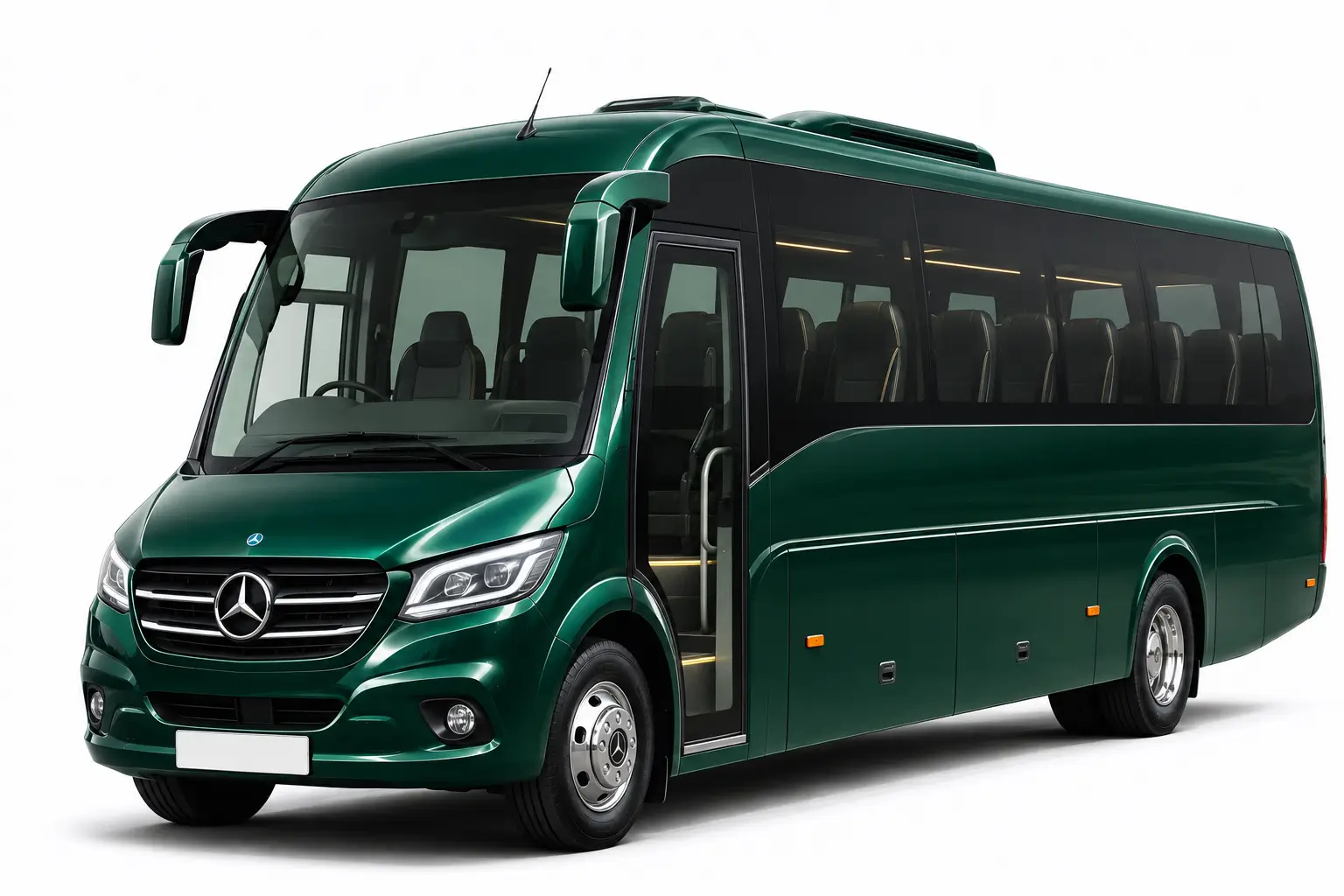
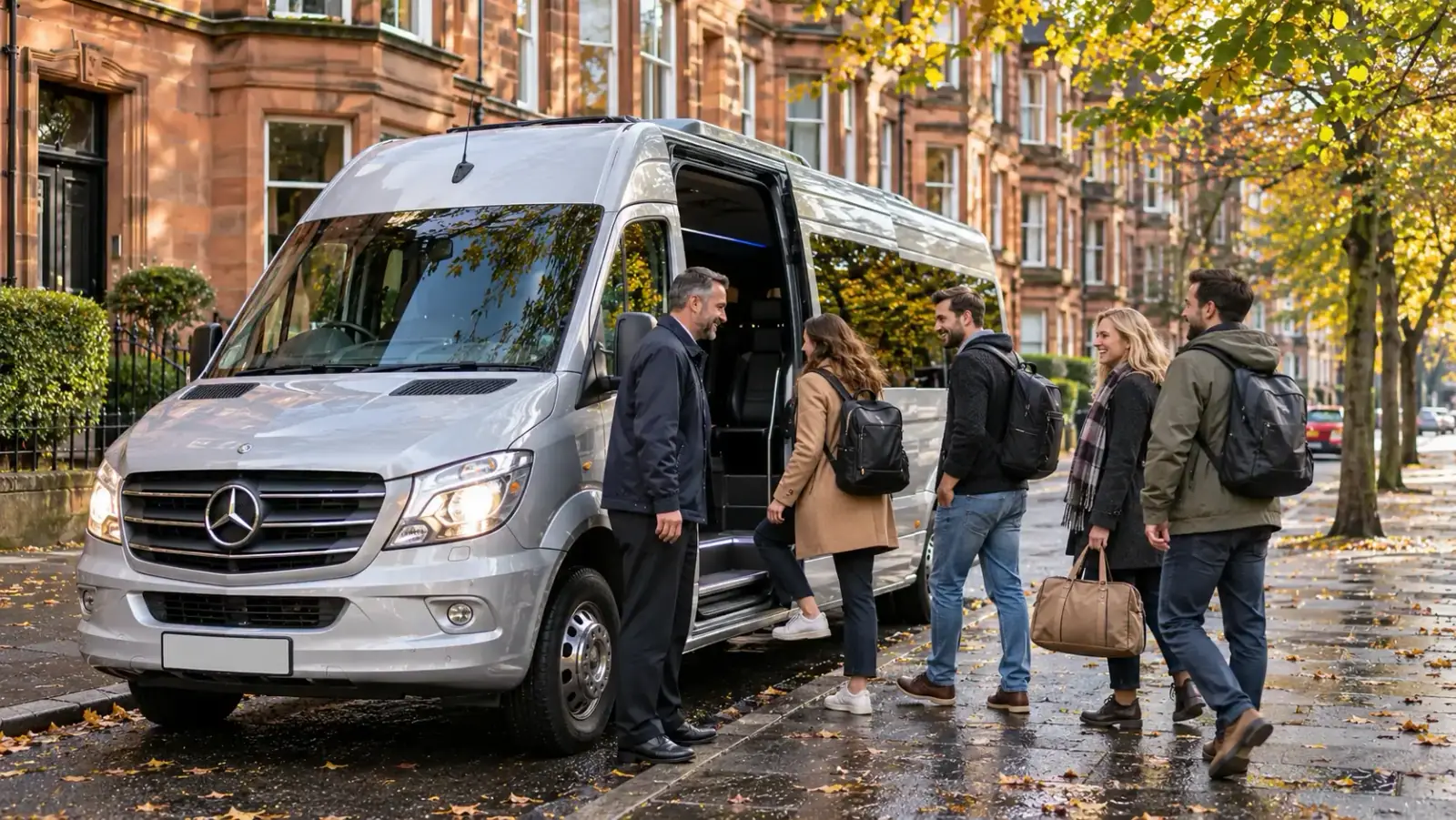
The 22-seater is one of the longest minibuses we run, with rows of forward-facing seats and a rear area for bags. Every seat has a belt. Most vehicles of this size have a high roof, which makes boarding easier when people are carrying bags.
With all twenty-two seats taken, the rear space holds about thirteen medium bags. A sports holdall each is usually fine for a football team, especially if players wear their tracksuits on the way. Rugby kit, bowls bags and golf clubs are bulkier, so tell us what's coming and we'll check it fits. If the kit won't all go in, a 29-seat midi coach has a separate hold underneath.
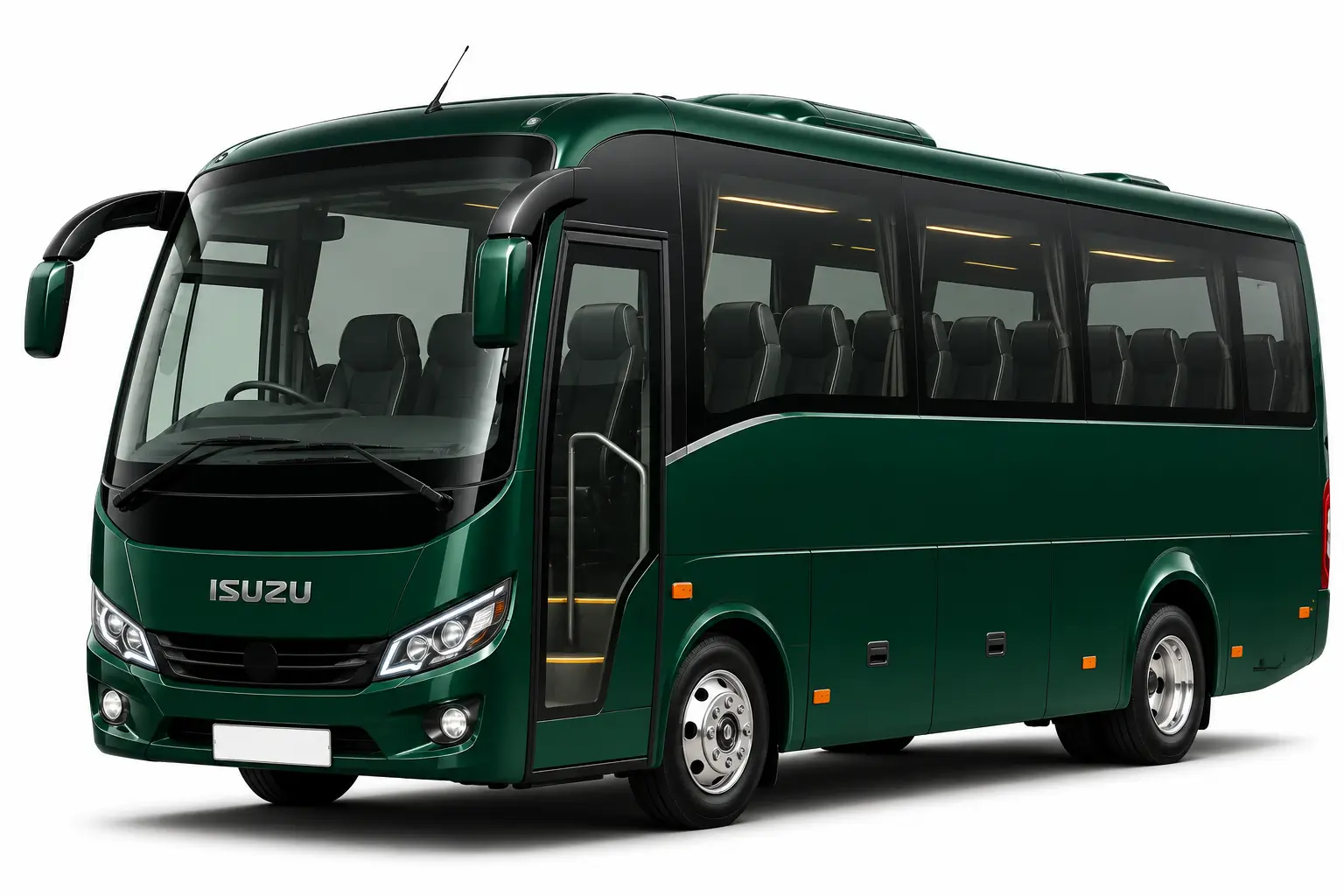
Features such as charging points and heating differ from one vehicle to another. The picture shows the general type; the exact vehicle on your date may look a little different.
Planning an away fixture
Start from kick-off and work backwards. Most clubs want the squad at the ground an hour or more before the start, which leaves time to find the changing room, strap ankles and warm up. Add the drive, then a margin for traffic on the motorway, and you have your departure time.
Collection points matter on match days. A club car park or the home ground is the easiest place to meet, because players can leave their cars there and the minibus has space to stop. If a few players live on the route, we can add a pickup or two, but each one adds a few minutes.
After the game, players want a shower, a drink and a sandwich in the clubhouse, so the return time is rarely exact. We usually agree a window, and the coach or team manager calls the driver when the squad is ready. For longer trips, our sports team travel page explains how we handle tournaments and overnight stays.
A Saturday cup tie, start to finish
- Meet at the clubSquad and kit loaded, numbers checked
- On the roadMotorway to the ground, a margin for traffic
- Arrive earlyAn hour before kick-off to warm up
- ClubhouseThe driver waits nearby during the game
- HomeBack to the club, or drops on the way
Beyond football: clubs that travel together
Bowling, curling and golf clubs use the 22-seater for friendly matches and summer outings, often combining a game with a meal on the way home. Members are usually happy to leave the car behind for the day, and the driver drops each one near their door at the end.
Choirs, walking groups and church congregations book it for day trips too. A single vehicle keeps the group together at a garden, a castle or a coastal town, and the organiser has one timetable to manage instead of several lifts.
Youth sections of sports clubs are a big part of the season. A junior team with coaches and parent helpers often fills twenty or more seats, and the driver is used to counting children on and off. Tell us the ratio of adults to children so we can match the seats to the group.
For work teams, the 22-seater suits a department heading to a team-building day or a client event. Our corporate travel page covers away days and conference shuttles.
Tournament and festival days
Tournaments are different from a single fixture. A junior football festival or a sevens day might mean four or five short games spread across a whole day, with long gaps in between and a final that only some teams reach. For those, the driver usually drops the squad in the morning, leaves the site and comes back when the club calls, rather than sitting in a car park for eight hours.
Plan for the gaps. Players need somewhere to keep bags, jackets and lunches between games, and the minibus can't always stay close to the pitches. Agree with the organisers where kit can be left, and pack food and water for the day so nobody has to wander off to find a shop.
If your team reaches the final, the finish time moves. A quick call to the driver as soon as you know means the return is ready when the medals are handed out.
Access in the 22-seat minibus
Older club members and supporters with limited mobility usually manage best in the seats nearest the door, where there's a handrail and a single step on most vehicles. The driver can help with kit and bags. A folded wheelchair or walking frame travels in the rear space, but it takes some of the room for kit, so mention it when you book. If someone needs to travel in their wheelchair, that requires a vehicle with a lift; tell us first and we'll check availability for your date.
What club secretaries send us
The essentials are the date, the address of the club or the first pickup, the destination ground, the kick-off or start time and the number of people travelling. Add the kit: how many bags, and whether there's anything bulky like a strip hamper, a medical bag or a set of bowls.
If the fixture might move, for example a cup tie waiting on a replay or a game at risk from the weather, tell us early. We'll explain what happens if the match is postponed, so the club knows where it stands before the morning of the game.
Clubs that travel most weeks often book the whole season at once. Send the fixture list and we'll plan the away days together, which saves the secretary chasing transport every Thursday.
Not every club needs the full 22 seats. For a smaller squad, the 16-seat minibus is a common choice, and for very large travelling groups, two vehicles or a 53-seat coach may be simpler.
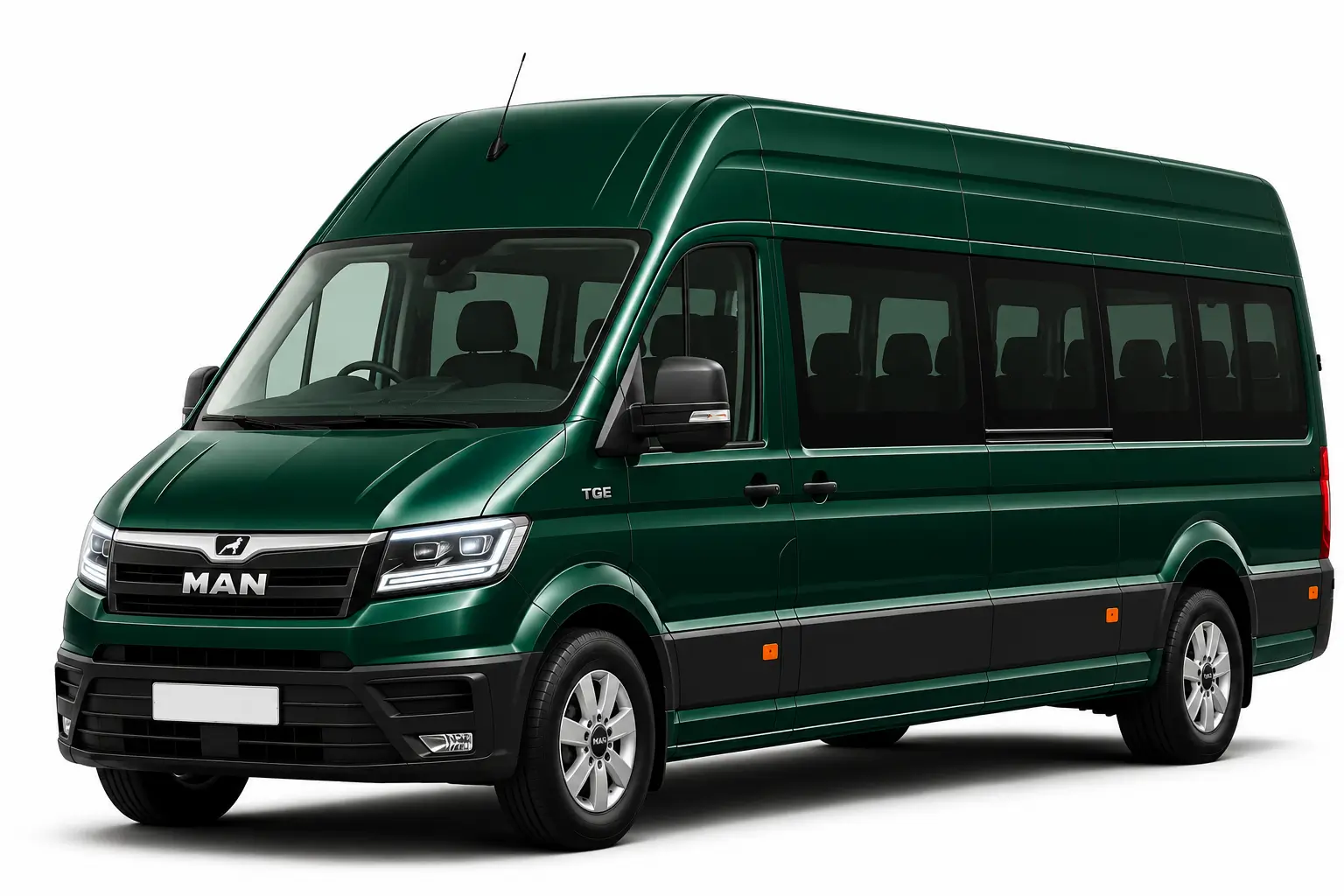 20-seat minibus
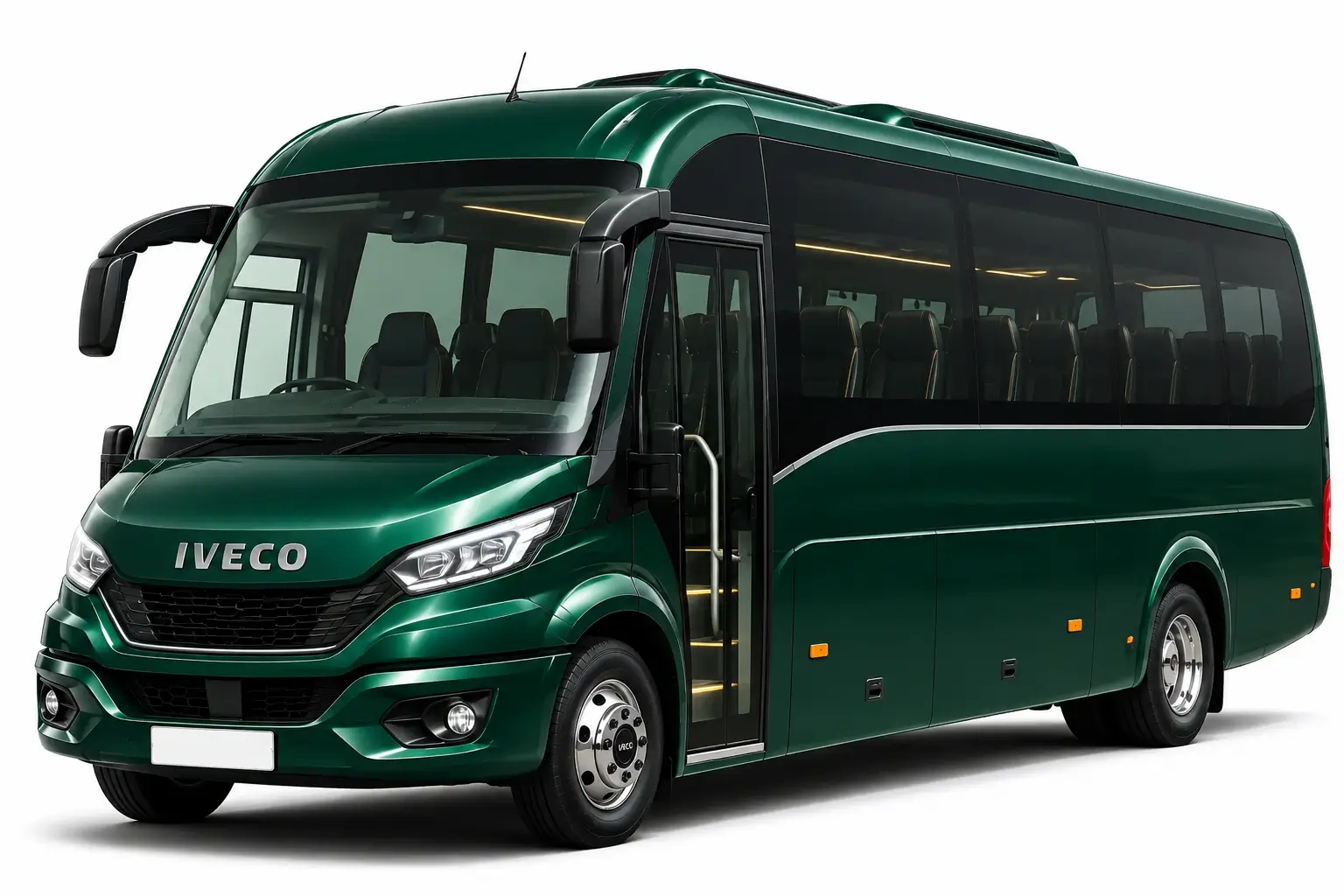 24-seat minibus
 29-seat midi coach
22-seat minibus questions
How many people fit in the 22-seater?
Twenty-two passengers, plus the driver, each with a seat and belt.
Will a full football squad's kit fit?
Usually, yes. About thirteen medium bags fit at the back with every seat taken; tell us about bulky items like hampers.
What licence does the driver hold?
Category D, the professional licence for vehicles with seventeen or more passenger seats.
Can the driver wait during the match?
Yes. The driver parks nearby and you call when the squad is ready to leave.
Can you collect players from more than one place?
Yes. List the pickups in order and we'll time them, though each extra stop adds a few minutes.
Can we book transport for a whole season?
Yes. Send the fixture list and we'll plan the away days together.
What happens if the game is postponed?
Tell us as soon as you know, and we'll explain your options when you book so there are no surprises.
Is the 22-seater good for a club day out, not just matches?
Yes. Bowling clubs, choirs and walking groups use it for outings, with drops near each member's home at the end.